EV Charging Guides: Straight Answers from Licensed Installers
Getting started
The basics of home EV charging: what a charger is, whether your home suits one, and how installation works.
Getting started
What Is an EV Charger and What Does It Actually Do?
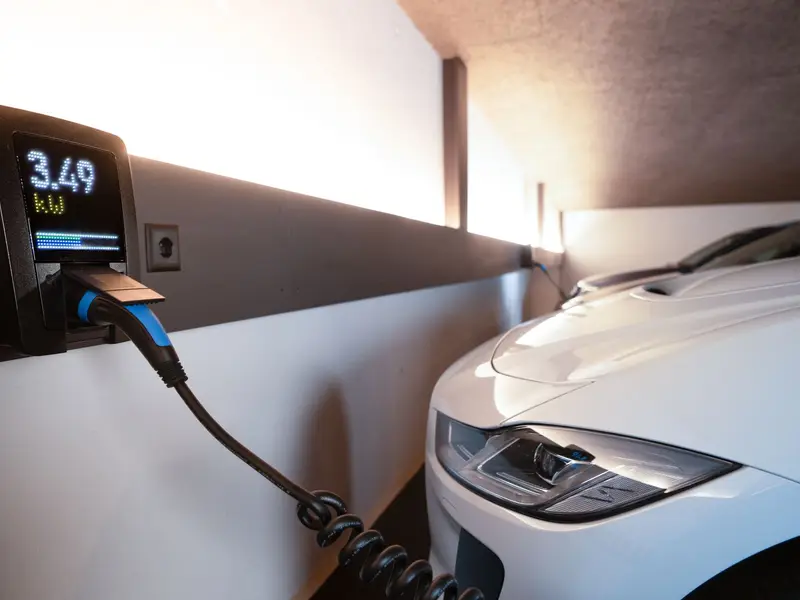
An EV charger is the equipment that safely supplies electricity from your home or a public site to an electric car. At home it is usually a wall-mounted unit, properly called EVSE, that checks the connection and switches power on, while the car's own onboard charger converts AC to DC for the battery.
Read the guide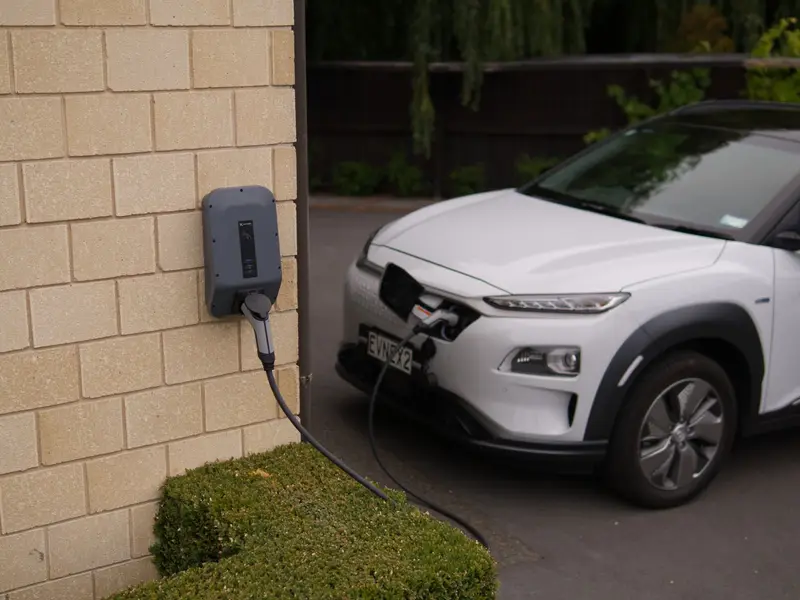
Getting started
Can I install an EV charger at home?
Yes, most Sydney homes with off-street parking can have an EV charger installed. A house with a garage, carport or driveway is usually simplest. Townhouses and apartments need strata approval, renters need landlord consent, and your switchboard and cable run decide the cost. Without off-street parking, workplace or public charging is usually the answer.
Read the guide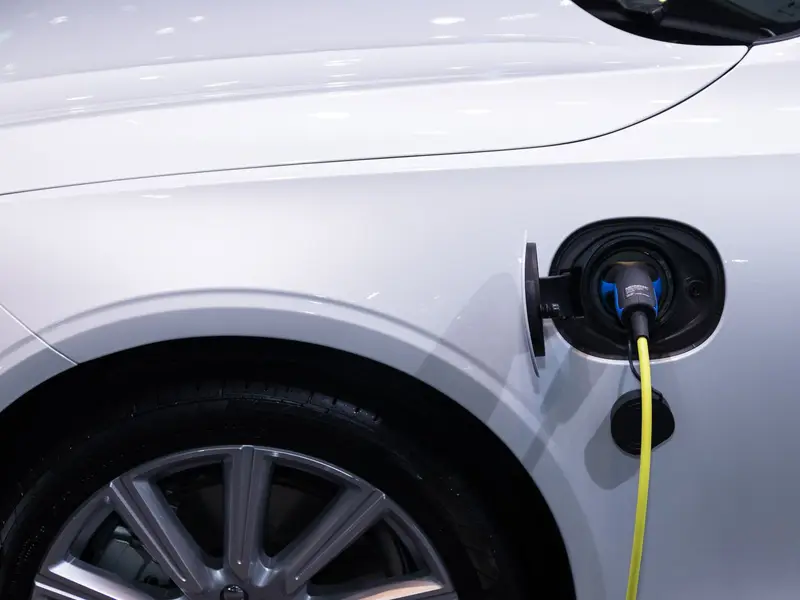
Getting started
How to get an EV charger installed at home
To get an EV charger installed at home, check your car's charging specs and your home's supply, choose a charger, then book a licensed electrician for an assessment and fixed written quote. After any approvals, the electrician installs, tests and certifies it. A simple install often takes a few hours, and the whole process often one to three weeks.
Read the guide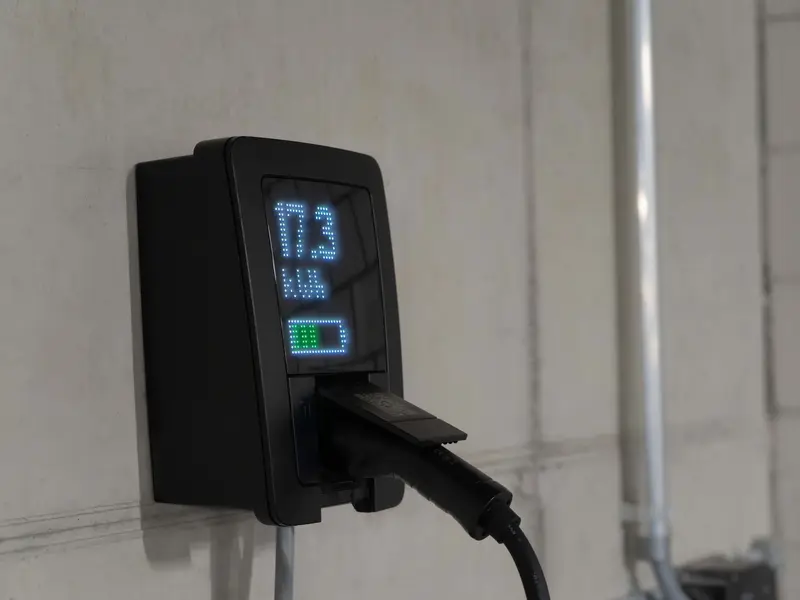
Getting started
Can I install my own EV charger in Australia?
No, not if any wiring is involved. Across Australia, installing a wall charger, a new 15A outlet or a dedicated circuit is electrical wiring work that only a licensed electrician can legally do, and in NSW they must issue a CCEW. What you can do yourself is plug the car's portable cable into a sound, existing 10A power point.
Read the guideChoosing a charger
Charger types, plugs and speeds explained, so you can pick the right unit for your car and supply.
Choosing a charger
What Car Charger Do I Need? How to Choose the Right EV Charger
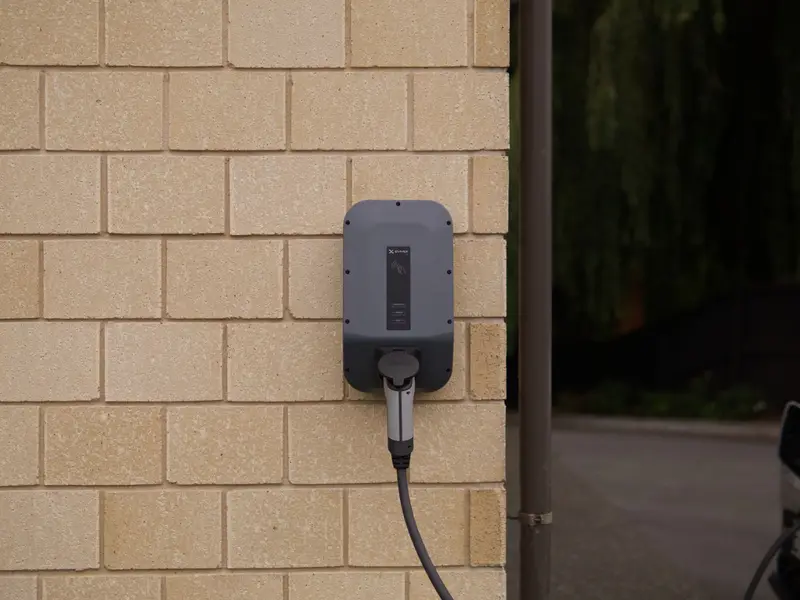
Most Sydney homes need a 7kW single-phase wallbox: it matches the AC limit of many EVs and refills a typical car overnight. Choose 11kW only if you have three-phase power and your car accepts it, add smart features if you have solar or a time-of-use tariff, and pick tethered for everyday convenience.
Read the guide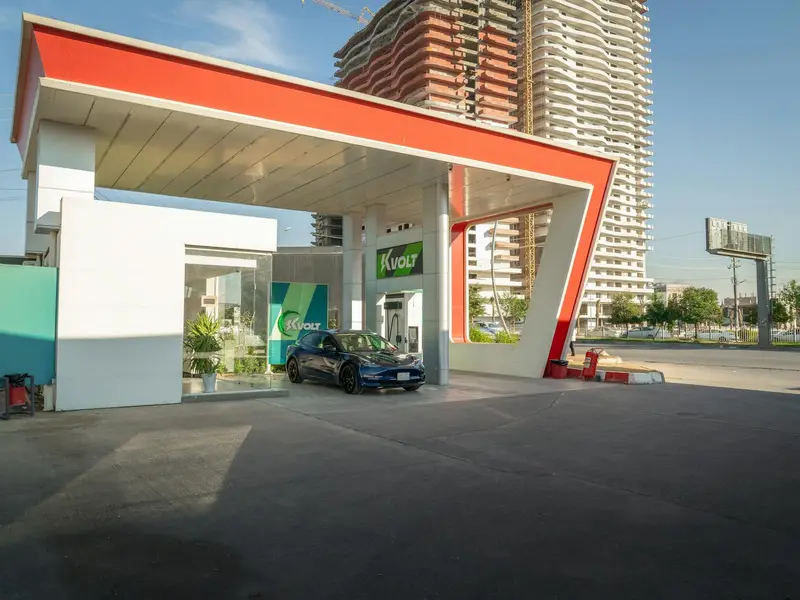
Choosing a charger
How Many Types of EV Chargers Are There?
There are three main types of EV chargers, grouped by power: portable cables that plug into a power point (Level 1), wall-mounted AC chargers (Level 2) and DC fast chargers (Level 3). Chargers are also described by connector, phase, cable style and smart features, but those are variations within the three types.
Read the guide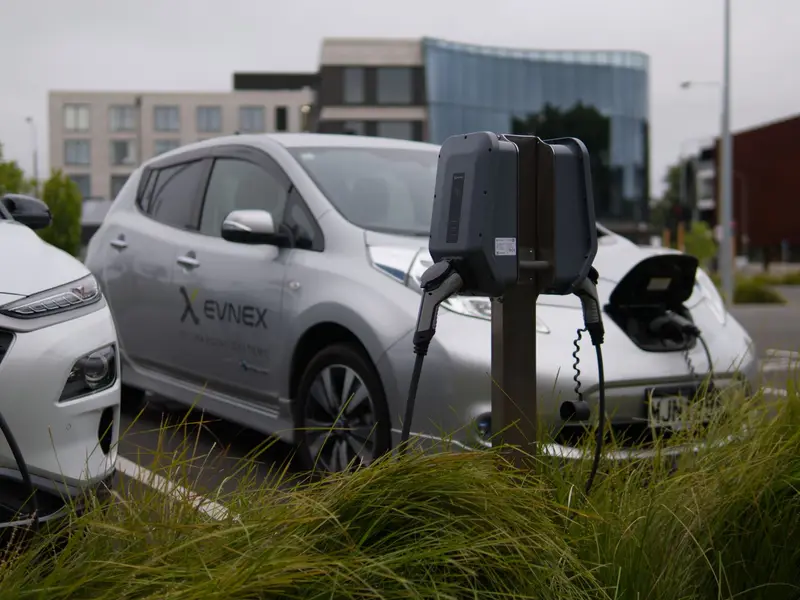
Choosing a charger
Are All Electric Car Charging Points the Same?
No. Electric car charging points differ in connector (Type 2, CCS2, CHAdeMO or Type 1), AC or DC power, speed, whether a cable is attached, and how you access and pay. Most cars sold new in Australia use Type 2 for AC and CCS2 for DC, so they work with most chargers here.
Read the guidePower & tariffs
Single vs three-phase power, smart meters and setting up cheap off-peak charging.
Power & tariffs
Do I Need 3 Phase Power for an EV Charger?
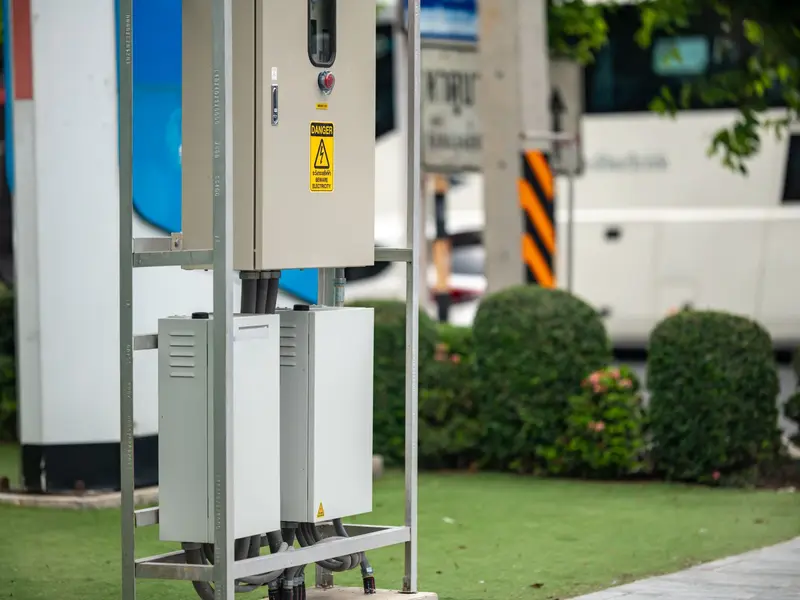
No, most homes do not need three-phase power for an EV charger. A 7kW single-phase wallbox adds roughly 30 to 45km of range per hour, enough to replace a typical day's driving in an hour or two overnight. Three-phase only helps if your car accepts 11kW or more AC and you regularly need faster home charging.
Read the guide
Power & tariffs
Do I Need a Smart Meter for EV Charging Tariffs?
Yes, if you want a time-of-use or EV electricity plan, because those tariffs price power by when you use it and a basic meter cannot record that. No, if you just want to charge: any EV charger works with any meter. Your retailer arranges a smart meter, so ask them about timing and any charge.
Read the guide
Power & tariffs
How Do I Set Up Scheduled Off-Peak EV Charging at the Cheapest Times?
Check your bill for the cheapest window, then set a charging schedule in one place only: the car's app, the charger's app or your home energy manager. Choose a start time inside the window, or a departure time and charge limit, then plug in each evening and let it run automatically.
Read the guideSolar charging
How to charge your EV from rooftop solar and which setups make the most of it.
Business charging
Workplace, fleet and commercial charging: benefits, technical requirements and solar integration.
Business charging
What Are the Benefits of Installing EV Chargers at Workplaces?
The main benefits are attracting and keeping staff, lower fleet running costs, drawing customers and visitors, and stronger sustainability and emissions reporting. Chargers can also use daytime solar and lift a property's appeal to tenants. Weigh these against supply capacity, load management, access and billing, and who pays for the electricity.
Read the guide
Business charging
What Are the Technical Requirements for Large-Scale EV Charging with Existing Solar in Parramatta?
There are ten core requirements: 12 months of interval data and a maximum demand assessment, adequate supply capacity, dynamic load management that prioritises solar surplus, correct inverter and export settings, suitable chargers, compliant cabling and protection, building and fire approvals, a tariff strategy, an optional battery decision, and proper commissioning and monitoring.
Read the guideCosts, requirements and brands
Looking for prices and the fine print? Read how much EV charger installation costs in Sydney, what it costs to install a Tesla charger and the electrical requirements for an EV charger, compare EV charger types and charger brands, or see our home and commercial installation services.
Get your free on-site EV charger quote
Licensed Sydney electricians installing home, smart, solar and commercial EV charging across Greater Sydney — every job to AS/NZS 3000, backed by a 12-month workmanship warranty.
Mon–Fri: 7:00am – 5:00pm