EV charging
Why West Coast Swing Class Venues Are Adding EV Charging for Night-Time Visitors
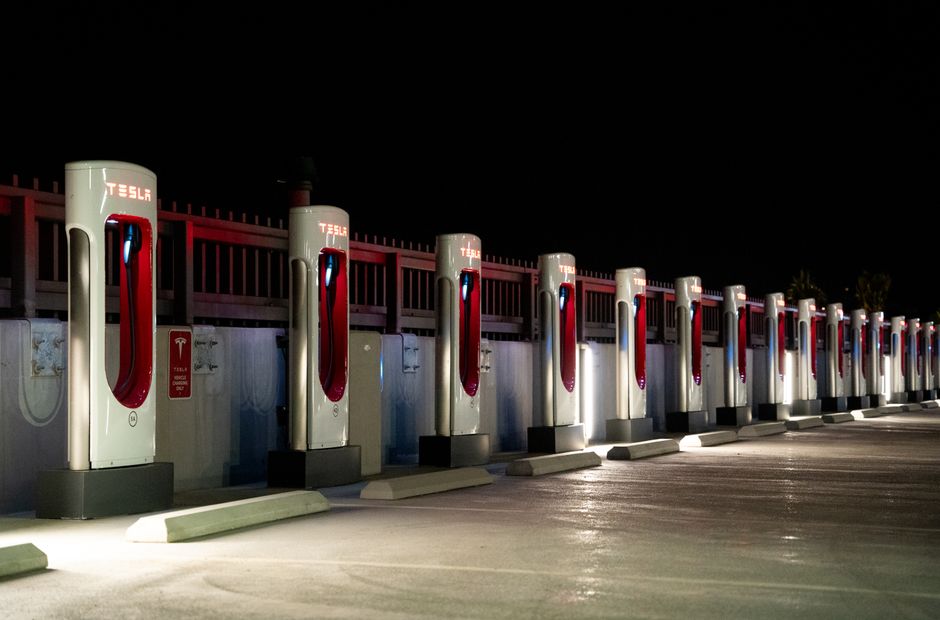
Electric vehicles are no longer a curiosity on Sydney's roads — they're a growing majority in certain postcodes, and their drivers are making venue decisions based on a question that would have seemed absurd five years ago: can I charge while I dance? From Parramatta community halls to inner-west studios, evening-economy venues are discovering that a well-placed EV charger in the car park can be as important to filling a class as the quality of the instructor on the floor.
Why West Coast Swing Class Venues Are Rethinking Their Parking Lots
Anyone who has attended a West Coast Swing class knows the drill: you arrive after dark, dance for two or three hours, and leave late. That predictable, extended dwell time is exactly what makes a west coast swing class venue an ideal candidate for EV charging infrastructure — and venue managers around Greater Sydney are starting to take notice.
For years, the car park was an afterthought. A flat surface between the road and the front door. But as electric vehicle uptake accelerates across New South Wales, dancers arriving in EVs are quietly asking a simple question: can I plug in while I practise?
The answer, at most halls and studios, has traditionally been no. Yet that gap is becoming harder to ignore for several reasons:
- Session length aligns perfectly with charging windows — a two-hour beginner class is long enough to add meaningful range to most EVs.
- Night-time attendance is predictable, making load management straightforward for electricians designing a commercial charging solution.
- Competition between venues is real — a studio that offers charging becomes a more attractive booking for EV-driving students who drive 30 minutes to attend.
What was once a niche amenity is quickly becoming a point of difference. Venues that host regular west coast swing classes are now approaching licensed commercial electricians to assess their switchboards, car park layouts, and connection capacity — turning an overlooked asset into a genuine drawcard for the growing number of EV drivers on Sydney's roads.
The Night-Time Economy Problem: Late Finishes, Dead Batteries, and the West Coast Swing Class Factor
Anyone who has ever driven home after a west coast swing class knows the feeling: it's close to midnight, the endorphins are still humming, and you climb into your EV only to notice the battery is sitting lower than you'd like. Unlike gym sessions that wrap up by 7 pm, evening dance venues operate on a different schedule entirely. Classes routinely run from 7 pm to 10 pm, followed by social dancing that pushes well past 11 pm — sometimes midnight on weekends. By the time students actually leave, many fast-charging networks have quieter queues, but the suburban and semi-industrial locations where affordable hall hire tends to cluster are rarely well served by public charging infrastructure.
This creates a very specific pain point for Sydney's growing community of EV drivers who dance:
- Longer dwell times work in everyone's favour. A dancer who arrives at 6:30 pm and leaves at 11:30 pm is parked for five hours — more than enough time for a 7 kW AC charger to deliver a meaningful top-up.
- Cold batteries lose range overnight. Sitting unused through a Sydney summer evening is less of a concern, but winter nights do affect real-world range, making an on-site charge genuinely useful before the drive home.
- Anxiety affects attendance. Venue operators report that some regular students have quietly mentioned range anxiety as a reason for skipping sessions held at locations further from main roads or train lines.
The evening-economy window — that block of time between roughly 6 pm and midnight — is actually an underutilised asset for commercial EV charging. Venues hosting regular dance nights sit inside that window consistently, week after week, making them far more attractive candidates for charging infrastructure than their modest size might initially suggest.
How EV Charging Turns a Liability into a Loyalty Tool for West Coast Swing Class Venues
For venue managers hosting a west coast swing class on a weeknight, the car park has historically been dead weight — a cost centre that contributes nothing between the hours dancers arrive and the moment the last person drives home. Adding EV charging infrastructure flips that equation entirely, transforming an underutilised asset into a genuine retention mechanism that keeps dancers coming back week after week.
The logic is straightforward. Evening-economy visitors, including social dancers, tend to be time-poor professionals. Many of them drive battery electric vehicles and build their weekly charging habits around predictable stops. If your studio can reliably top up 20–40 km of range during a two-hour class, it earns a place in a dancer's routine that is genuinely hard to displace. Competing venues without charging simply cannot offer the same frictionless experience.
Loyalty works on multiple levels:
- Reduced price sensitivity — dancers who charge on-site perceive added tangible value, making them less likely to shop around when a rival studio discounts drop-in rates.
- Longer dwell time — knowing their car is charging, attendees stay for the social dance after the structured class, increasing bar and café revenue.
- Word-of-mouth differentiation — EV drivers talk to other EV drivers; a venue with charging gets organic promotion within exactly the demographic most likely to attend regular classes.
From an installation standpoint, commercial EV charging solutions designed for venues are more accessible than many operators expect. A licensed Sydney electrician can assess load capacity, recommend the right number of bays, and spec hardware that suits after-hours use — whether that means smart chargers with scheduling controls or straightforward AC units. Exploring the full range of charger types available is a sensible first step before committing to a particular configuration.
What Dancers Actually Want From a Charging Setup at Their West Coast Swing Class
Anyone who has spent time in Sydney's social dance community knows that a west coast swing class rarely wraps up the moment the instructor calls time. There are socials, practice sessions, and plenty of post-class conversation that stretch a two-hour block into three or four. That extended dwell time is precisely why dancers have a different checklist in mind when they pull into a venue car park.
Speed Matters — But Not as Much as Reliability
Most dancers arriving for an evening class aren't chasing a rapid top-up; they simply want a consistent, dependable charge across two to four hours. A 7 kW AC wall charger — the kind commonly installed in commercial settings across Greater Sydney — is typically more than adequate for that window. What frustrates people far more than charging speed is equipment that's offline, occupied with no turnover policy, or awkwardly positioned away from the entrance.
- Contactless or app-based activation — dancers arrive with bags, shoes and water bottles in hand; fumbling for a membership card is unwelcome.
- Clear bay markings — dedicated EV spaces reduce the all-too-common situation of a charging bay blocked by a petrol vehicle.
- Adequate lighting — plugging in at 10 pm in a poorly lit car park is a genuine safety concern, especially for solo attendees.
- Real-time availability visibility — a simple display or app integration showing whether a bay is free saves a frustrating lap of the car park.
Type 2 Connectors Remain the Practical Standard
The overwhelming majority of EVs driven by Sydneysiders — Teslas, Hyundai Ioniqs, Kia EV6s — accept a Type 2 connector, making universal Type 2 AC charging posts the sensible default for any venue looking to serve a broad audience without over-investing in infrastructure from day one.
Switchboard Upgrades and Electrical Readiness: What Venues Need to Know Before Installing
One of the most common surprises venue operators encounter when exploring EV charging is discovering that their existing electrical infrastructure needs attention before a single charger can be mounted. Many community halls and older dance studios across Greater Sydney were wired decades ago, with switchboards sized for lighting, sound systems, and basic appliances — not the sustained load of multiple AC charging posts running simultaneously through a four-hour dance night. Before committing to a charger brand or bay count, it is worth having a licensed electrician audit the site's current capacity and identify whether a switchboard upgrade is necessary.
The good news is that this assessment process is typically straightforward. An experienced commercial installer can evaluate incoming supply capacity, model the additional load from one to four charging bays against peak usage during class hours, and recommend a staged rollout that avoids unnecessary upfront expenditure. Starting with a single smart charger on a dedicated circuit, then expanding as demand grows, is often the most cost-effective path for smaller venues. Getting the electrical foundation right from the start also ensures compliance with Australian Standards and avoids costly remediation work later — a detail that matters particularly for venues that lease their premises and need landlord or body corporate sign-off on any infrastructure changes.
The Business Case: Revenue, Grants and Venue Differentiation for West Coast Swing Class Nights
For venue operators already hosting a regular west coast swing class, adding EV charging isn't purely a feel-good gesture — it stacks up financially. The evening-economy timing works in an operator's favour: chargers sit idle during business hours, then turn over consistent usage from 6 pm onward when dancers arrive, plug in and stay for two to three hours. That dwell time is close to ideal for a standard AC charger session, meaning utilisation rates are high precisely when foot traffic peaks.
Revenue Streams Worth Modelling
- Pay-per-use fees: Venues can set a per-kWh or flat session rate, generating direct income that compounds across weekly class nights.
- Increased bar and café spend: Drivers who know their car is charging are far less likely to leave at the first break, lifting ancillary revenue.
- Membership perks: Bundling complimentary charging into dance-school memberships adds tangible value that competitors without chargers simply cannot match.
Grants and Incentives That Reduce Upfront Cost
Commercial venue operators in New South Wales should investigate current state and federal EV infrastructure programs before committing to full out-of-pocket expenditure. Available incentives have historically offset a meaningful portion of hardware and installation costs, improving payback periods considerably. A licensed commercial installer can help identify which schemes apply to your premises and prepare compliant documentation.
From a differentiation standpoint, being the studio or hall in your suburb that offers EV charging is still a genuine point of difference. Dance communities talk — word spreads quickly when a venue removes a practical barrier, and that reputation converts to bookings.
EV charging has quietly become one of the most practical upgrades evening-economy venues can make. From the niche world of west coast swing through to yoga studios and comedy clubs, halls that meet drivers where they are — literally, in the car park — build loyalty that outlasts any single class or event. The technology is proven, the installation process is straightforward with the right licensed team, and the business case grows stronger every month as EV adoption across Greater Sydney continues to accelerate.
Related services
Related EV charging guides
Written by Nathan Dawson
Founder & Lead EV Installer. More about Nathan.