EV charging
Overnight EV Charging Safety for Small Business Car Parks: What Sydney Operators Need to Know
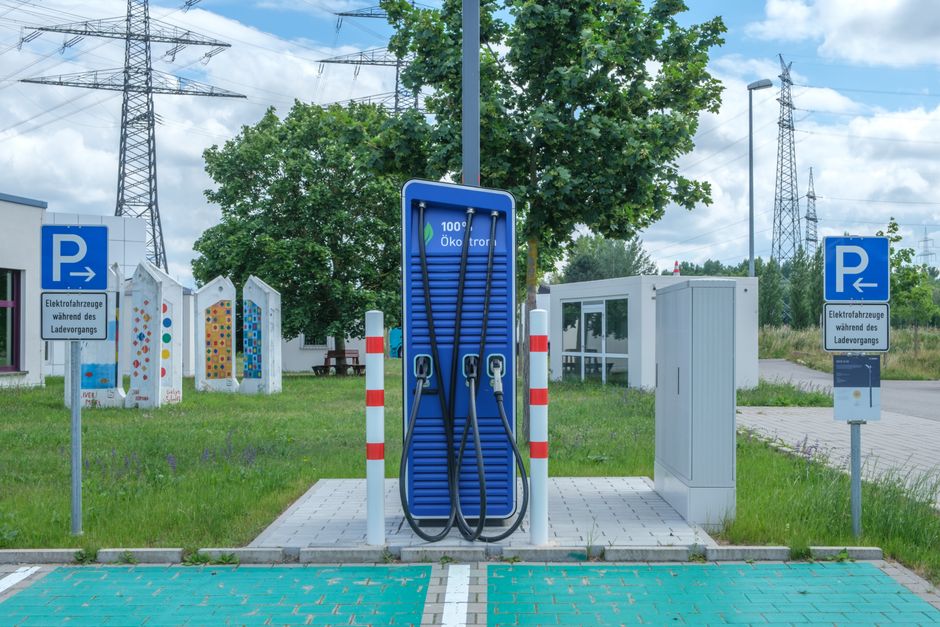
As electric car adoption accelerates across Greater Sydney, more small business owners are looking to offer overnight EV charging in their car parks — but doing so safely requires understanding risks that simply don't apply to daytime, attended charging scenarios.
Understanding the Unique Risks of Overnight EV Charging in Small Business Car Parks
Overnight charging seems straightforward on the surface: plug in the vehicles after hours, unplug in the morning. In practice, the unattended nature of the process introduces a distinct set of hazards that small business operators need to take seriously before a single charger is installed.
Thermal runaway and fire risk sit at the top of the list. Lithium-ion battery faults can develop slowly and escalate rapidly, often during the later stages of a charge cycle — precisely when no staff are on site to respond. A car park environment compounds this risk, since vehicles are parked in close proximity and fire suppression systems designed for petrol-era hazards may not be adequate.
Beyond fire, there are several other risks unique to the small business overnight context:
- Electrical overload — multiple chargers drawing sustained load through the night can exceed the capacity of ageing switchboards, particularly in older Sydney commercial premises.
- Cable and connector damage — trailing cables left unattended overnight in a shared car park are vulnerable to vehicle damage, creating both shock and trip hazards.
- Unauthorised use — without access controls, chargers left active overnight can be used by members of the public, exposing the business to liability.
- Weather exposure — Sydney's summer storms can affect outdoor charging equipment not rated or installed to the appropriate Australian standard, AS/NZS 3000.
Recognising these risks is the essential first step. The sections that follow cover the practical, infrastructure, and compliance measures that allow small business car parks in Sydney to offer overnight EV charging confidently and safely.
Essential Electrical Infrastructure and Load Management Requirements
Before a single EV charger goes live in your small business car park overnight, the underlying electrical infrastructure needs to be assessed and, in many cases, upgraded. Running multiple chargers simultaneously after hours places significant sustained demand on your switchboard, cabling, and supply capacity — a very different load profile from the intermittent daytime use most commercial premises are designed around.
Key infrastructure considerations include:
- Switchboard capacity: Older switchboards may lack the spare capacity or appropriate circuit protection for dedicated EV charging circuits. A licensed electrician should assess whether your board requires an upgrade before installation proceeds.
- Dedicated circuits and cabling: Each charger should be installed on its own dedicated circuit with correctly rated cabling run to AS/NZS 3000 standards — this is non-negotiable for overnight safety and compliance.
- RCD and overcurrent protection: Type A or Type B residual current devices (RCDs) must be correctly specified for the charger type in use. This is a critical safety layer, particularly when vehicles charge unattended through the night.
- Network capacity and supply agreement: Depending on your total charger count and kilowatt rating, your energy retailer or distributor may need to be notified, and a formal supply upgrade arranged.
Load management is equally important. Smart charging systems allow you to set maximum simultaneous draw, stagger charging schedules across vehicles, and avoid peak demand tariffs — all of which reduce both safety risk and operating costs. For sites with three or more chargers, dynamic load balancing becomes strongly advisable rather than optional.
Getting this groundwork right protects your business from nuisance tripping, equipment damage, and the more serious electrical faults that overnight, unmonitored environments can allow to escalate unchecked.
Fire Safety Measures and Emergency Response Planning
Overnight charging in an unattended small business car park introduces a fire risk that demands serious, proactive planning. While modern EV charging equipment is engineered with multiple safeguards, thermal runaway events — though rare — can escalate quickly, particularly when staff are not on site. Having the right physical measures and a documented emergency response plan in place is non-negotiable.
Key fire safety measures to implement include:
- Compliant electrical installation: All charging infrastructure should be installed by licensed electricians to AS/NZS 3000 standards. Poorly terminated connections and undersized cabling are leading contributors to electrical fires — quality commercial EV charger installation eliminates these risks from the outset.
- Dedicated circuit protection: Each charging station should be protected by an appropriately rated circuit breaker and RCD (residual current device) to isolate faults before they become hazards.
- Fire extinguisher placement: Position Class E (electrical) extinguishers within reach of each charging bay, and ensure signage meets AS 2444 requirements.
- Smoke and heat detection: Install detectors rated for the car park environment, integrated where possible with your existing building management or alarm system.
- Clear bay spacing: Avoid charging directly beneath overhead obstructions or near fuel storage. Physical separation limits fire spread.
Your emergency response plan should clearly state who to contact after hours, how to isolate charging power at the main switchboard, and the assembly point for any occupants. Share this plan with local Fire and Rescue NSW and ensure it is reviewed annually.
It is also worth exploring smart chargers with remote monitoring and automatic fault shutoff — you can browse options on the Charger Types page to identify models suited to unattended overnight operation. The right hardware, properly installed, is your first and most reliable line of defence.
Choosing the Right Charging Equipment and Installation Standards
Selecting appropriate charging equipment is one of the most consequential decisions a small business owner will make when setting up an overnight EV charging facility. Get it wrong, and you face equipment failures, voided warranties, or — more seriously — safety incidents that could have been avoided entirely.
For most small business car parks in Sydney, AC Level 2 chargers (typically 7kW to 22kW) represent the practical sweet spot for overnight charging. Vehicles parked for eight or more hours will charge fully within that window, meaning there is no operational need for expensive DC fast chargers, which also introduce greater thermal load and infrastructure complexity.
When evaluating specific units, prioritise the following features:
- IP54 rating or higher — essential for outdoor or semi-exposed car park environments where moisture and dust ingress are realistic risks
- Built-in residual current device (RCD) protection — a non-negotiable safety layer for any commercial installation
- Smart connectivity — allows load management, usage monitoring, and remote diagnostics, all of which reduce overnight supervision requirements
- Cable management provisions — tethered cables or secure holsters minimise trip hazards during low-visibility overnight hours
On the installation side, compliance with AS/NZS 3000 — Australia's wiring rules standard — is mandatory, not optional. Every charger installed in a commercial setting must be completed by a licensed electrician, and in New South Wales that work requires appropriate contractor licensing. Beyond the wiring rules, your installation should account for dedicated circuit protection, correct earthing arrangements, and switchboard capacity to handle the additional load without tripping protective devices during peak overnight draw.
A proper on-site assessment before any equipment is ordered will identify whether your existing infrastructure can support your planned charging capacity, or whether a switchboard upgrade is needed first — a step that is far cheaper to plan for upfront than to retrofit later.
Monitoring, Maintenance, and Staff Training Best Practices
Installing compliant charging hardware is only half the equation. For small business car parks in Sydney, the real long-term safety dividend comes from consistent monitoring, scheduled maintenance, and making sure your team knows what to look for on a daily basis.
- Use smart charger monitoring dashboards. Most commercial-grade units transmit real-time data on session status, energy draw, and fault codes. Designate a staff member to review alerts each morning so overnight anomalies are caught early.
- Schedule quarterly visual inspections. Check cables for fraying, connectors for corrosion, and mounting hardware for integrity. Sydney's coastal humidity can accelerate wear on outdoor equipment, so don't treat the manufacturer's service intervals as the ceiling — treat them as a minimum.
- Keep a maintenance log. Documenting every inspection, firmware update, and fault event is not just good practice — it supports warranty claims and demonstrates due diligence to insurers and Work Health and Safety auditors.
- Train staff to recognise warning signs. Burning smells, charger units that are warm to the touch after a session has ended, tripped circuit breakers, or error codes on display screens all warrant immediate action: disconnect power to the unit and contact your licensed electrician before resuming use.
- Run annual load-capacity reviews. As your fleet or tenant EV numbers grow, the cumulative overnight draw may push close to your switchboard's rated capacity. An annual review by a qualified electrician ensures your infrastructure scales safely.
Pairing well-maintained hardware with informed staff creates a culture of safety that protects your property, your vehicles, and your people throughout every overnight charging cycle.
Overnight EV charging in a small business car park is entirely safe when every layer — from circuit protection and charger placement through to fire precautions, compliance, and ongoing maintenance — is handled with care. Sydney businesses that invest in a properly engineered, AS/NZS 3000-compliant installation from the outset consistently find that the operational benefits far outweigh the upfront considerations, setting them up for a reliable and future-ready charging operation for years to come.
Related services
Written by Nathan Dawson
Founder & Lead EV Installer. More about Nathan.