EV charger installation
EV Charger Cable Sizing Australia: A Complete Guide for Sydney Homes and Businesses
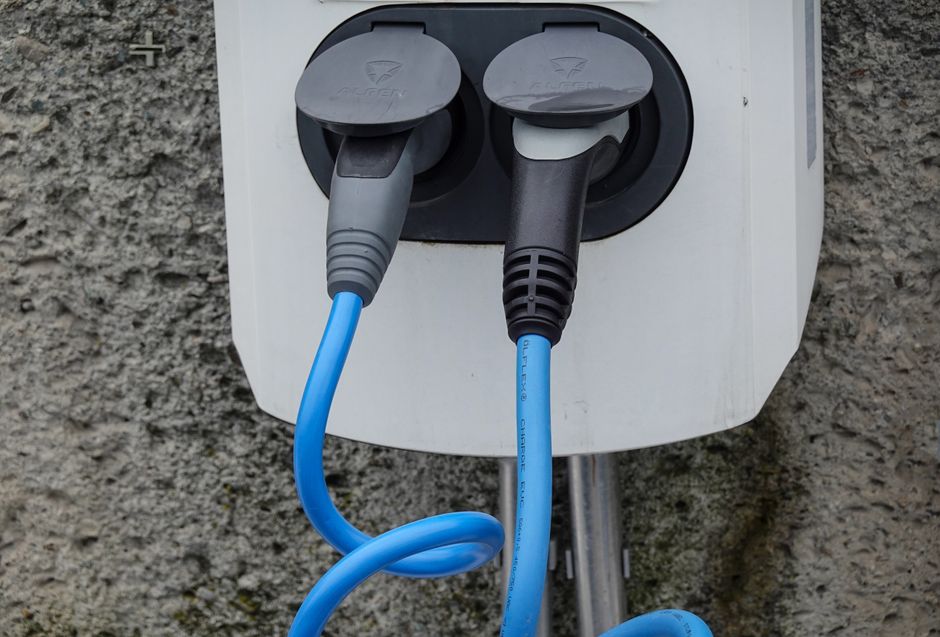
Getting EV charger cable sizing right is one of the most important steps in any home or commercial charging installation, yet it is often overlooked until something goes wrong. This article walks through everything Sydney homeowners and businesses need to know to get it right the first time.
Why Cable Sizing Matters for EV Chargers in Australia
Choosing the correct cable size for your EV charger is not simply a box-ticking exercise. It directly affects the safety, performance and longevity of your entire charging setup. Undersized cables generate excess heat under load, which can degrade insulation over time, trip circuit breakers repeatedly and, in serious cases, create a fire risk inside your walls or switchboard.
In Australia, all EV charger installations must comply with AS/NZS 3000, the wiring rules that govern electrical installations across the country. These standards set minimum requirements for cable current-carrying capacity, voltage drop limits and installation methods. Getting those calculations wrong does not just mean poor performance; it can mean a failed inspection, a voided warranty and real liability exposure.
For Sydney properties specifically, a few local factors add complexity to the sizing decision:
- Ambient temperature: Cables installed in roof spaces or conduits in direct sun can reach elevated temperatures, which dereates their current-carrying capacity.
- Run length: Many Sydney homes have the switchboard at the front of the property and the garage or carport at the rear, meaning long cable runs that increase voltage drop.
- Charger output: A 7 kW single-phase charger and a 22 kW three-phase charger have very different cable requirements, and future-proofing your install to allow for an upgrade later is worth factoring in from the start.
A licensed electrician familiar with EV installations will assess all of these variables before recommending a cable size. The sections below break down exactly how that process works and what you should expect from a compliant Sydney installation.
Australian Standards and Regulations That Apply to EV Charger Cable Sizing
Getting the cable sizing right for an EV charger installation is not just a matter of best practice. It is a legal requirement under Australian electrical law. Several standards and regulations govern how this work must be carried out, and understanding them helps you see why a licensed electrician is essential for any EV charging project in Sydney.
- AS/NZS 3000:2018 (the Wiring Rules): This is the foundational standard for all electrical installations in Australia. It sets out the minimum requirements for cable current-carrying capacity, voltage drop limits, and circuit protection. Every EV charger installation must comply with these rules, and cable sizing must be calculated accordingly.
- AS/NZS 3008.1.1: This standard provides the specific current-carrying capacities and voltage drop tables that electricians use to select the correct cable size for a given installation. Factors such as ambient temperature, installation method, and grouping of cables all affect the final selection.
- AS/NZS 61851.1: This standard applies directly to electric vehicle conductive charging systems. It defines the modes of EV charging and places requirements on the supply equipment, which in turn influences the cable and circuit specifications needed.
- NSW Fair Trading and Energy Safe requirements: In New South Wales, all electrical work must be carried out by a licensed electrician and notified to the network operator where required. This applies to dedicated EV charger circuits just as it does to any other fixed electrical installation.
Voltage drop is one of the most practical concerns these standards address. AS/NZS 3000 limits voltage drop to 5 percent from the point of supply to the final outlet. For a long cable run from your switchboard to a garage or carport, this limit can mean stepping up to a larger cable than the current-carrying requirement alone would suggest. Getting this calculation wrong can result in slower charging speeds, excessive heat, and a failed electrical inspection.
Key Factors That Determine the Right Cable Size
Getting your EV charger cable sizing right in Australia comes down to several interconnected variables. No single factor works in isolation, so a licensed electrician needs to assess all of them together before specifying cable.
- Charging current (amperage): This is the primary driver. A 7.4 kW single-phase charger draws around 32 A, while a three-phase 22 kW unit can pull up to 32 A per phase. Higher current demands a larger cross-sectional area to avoid dangerous heat build-up.
- Cable run length: The longer the cable route from your switchboard to the charger, the greater the voltage drop. AS/NZS 3000 limits voltage drop to 5% for most circuits. A run exceeding 20–30 metres often requires you to step up one or two cable sizes to stay within that limit.
- Installation method: Cable buried in conduit underground, clipped directly to a wall, run through insulation or bunched with other cables all carry heat differently. Each method has a specific current-carrying capacity (CCC) rating under AS/NZS 3008, and the most restrictive section of the run governs the whole cable size.
- Ambient temperature: Sydney summers push roof spaces and external walls well above 40 degrees Celsius. Higher ambient temperatures derate a cable's CCC, which can mean upgrading from 6 mm² to 10 mm² TPS just to account for summer heat.
- Future-proofing: If you are likely to upgrade from a 7.4 kW to a 22 kW charger, or add a second vehicle, sizing the cable and conduit generously now saves a costly cable replacement later.
These factors interact in ways that are easy to underestimate. You can explore how they apply to different charger types and their power outputs, and our installation guides walk through real Sydney scenarios in more detail.
Common EV Charger Types and Recommended Cable Sizes
Different charger types draw very different amounts of current, so the cable size needs to match the specific unit being installed. Here is a practical breakdown of the most common setups Sydney electricians encounter:
| Charger Type | Typical Output | Circuit Current | Recommended Cable Size | | --- | --- | --- | --- | | Standard GPO (Mode 2) | 2.4 kW | 10 A | 2.5 mm² | | Dedicated 15 A outlet | 3.6 kW | 15 A | 2.5 mm² | | Single-phase wall charger (Mode 3) | 7.2 kW | 32 A | 6 mm² | | Single-phase wall charger (high-power) | 11 kW | 48 A | 10 mm² | | Three-phase wall charger | 11–22 kW | 16–32 A per phase | 6–10 mm² | | DC fast charger (commercial) | 50 kW+ | Varies | Engineer-specified |
The 32 A single-phase circuit is by far the most common home installation in Sydney right now. Brands like Tesla, Wallbox and EVSE all offer 7.2 kW units that sit comfortably on a 6 mm² cable run from the switchboard.
Three-phase chargers are growing in popularity, particularly for households with solar battery systems or multiple vehicles. While the per-phase current is lower, the cable still needs to handle continuous load conditions, so 6 mm² is typically the minimum and 10 mm² is often the safer choice for longer cable runs.
Cable derating matters here too. If the cable runs through roof insulation or is bundled with other conductors, its current-carrying capacity drops. A run that looks fine on paper may actually require the next cable size up once derating factors under AS/NZS 3008.1.1 are applied.
Working With a Licensed Electrician for Compliant EV Charger Installation
Getting your cable sizing right on paper is only half the equation. The other half is having a licensed electrician carry out the physical installation to AS/NZS 3000 standards. In New South Wales, all fixed electrical work, including EV charger circuits, must be performed by a licensed electrical contractor. Attempting a DIY installation or using an unlicensed tradesperson can void your charger warranty, invalidate your home insurance, and create serious fire or electrocution risks.
A qualified electrician will do more than simply run a cable and connect a plug. During a proper site assessment, they will:
- Inspect your switchboard to confirm it can handle the additional circuit load and determine whether an upgrade is needed
- Measure the cable run distance from the switchboard to the charging location and calculate voltage drop to select the correct conductor size
- Assess earthing arrangements and confirm a suitable RCD (residual current device) is installed for protection
- Check conduit requirements for outdoor or underground cable runs where physical protection is mandatory
- Issue a Certificate of Compliance for Electrical Work (CCEW), which is your legal proof that the installation meets regulatory requirements
For Sydney homeowners, choosing a team that specialises in EV charger installation, rather than a general electrician who handles it occasionally, means faster assessments, accurate cable sizing recommendations, and familiarity with charger brands like Tesla, Wallbox, and EVSE Australia.
Skipping proper professional advice to save money upfront often leads to costly rectification work later, particularly if undersized cables cause nuisance tripping or become a hazard over time.
Choosing the right cable size for your EV charger comes down to your vehicle's charging needs, the distance from your switchboard, your existing electrical infrastructure, and Australian regulatory requirements. Work through each of those factors carefully, and always partner with a licensed Sydney electrician who can assess your specific property, size the circuit correctly, and deliver an installation that is safe, compliant, and built to last.
Related services
Related EV charging guides
Written by Nathan Dawson
Founder & Lead EV Installer. More about Nathan.