EV charging
After-Hours EV Charging Installation for Entertainment Venues: A Complete Guide for Sydney Operators
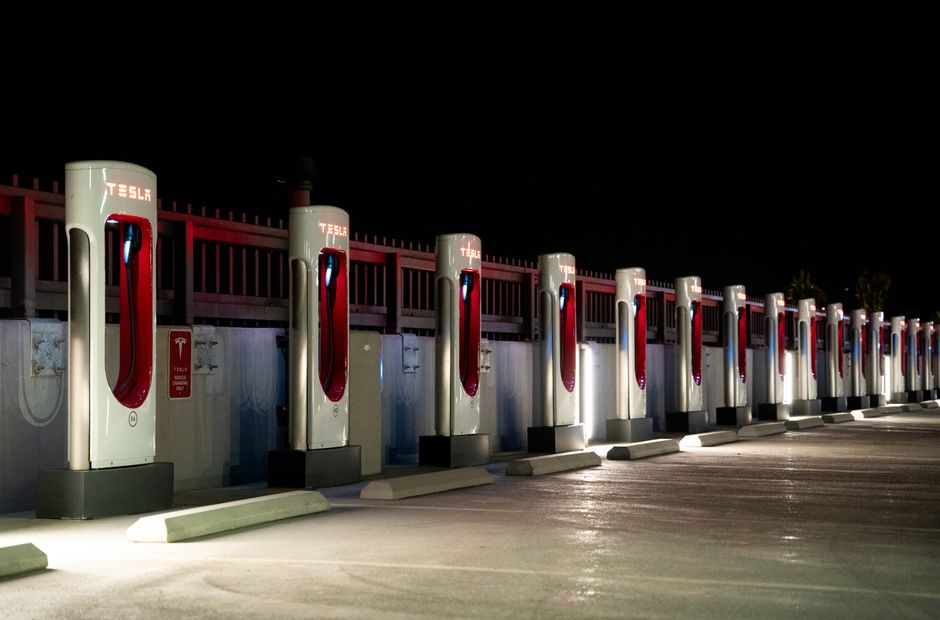
Entertainment venues across Sydney are sitting on a largely untapped opportunity when it comes to EV infrastructure — and the window to act is narrowing fast. This article walks through everything venue operators need to know about installing EV chargers for after-hours use, from the business case through to the practicalities of a compliant, certified installation.
Why Entertainment Venues Are Ideal Candidates for After-Hours EV Charging
Cinemas, stadiums, theatres, bowling alleys, and live music venues share one defining characteristic: their car parks fill up in the evening and sit largely empty during the day. That rhythm makes them natural candidates for after-hours EV charging in a way that office buildings or retail centres simply are not.
Consider the typical patron journey. A guest arrives for a 7 pm show, parks, and doesn't return to their vehicle for two to four hours. That dwell time is precisely the window a Level 2 AC charger needs to deliver a meaningful top-up — often 20 to 40 kilometres of range — without any inconvenience to the driver whatsoever. The charger does its job quietly while the venue does its job loudly.
There is a strong commercial precedent for this model internationally. Energy companies like NRG Energy identified entertainment and hospitality venues as anchor sites for public charging networks years ago, recognising that predictable, high-dwell patronage creates reliable utilisation rates that justify infrastructure investment.
For Sydney venue operators, the advantages compound locally:
- Existing electrical infrastructure in large venues often supports charging additions without major upgrades
- Council and state incentives increasingly favour commercial EV charging projects
- Growing EV uptake across Greater Sydney means patrons are actively seeking venues with charging as a differentiator
- Revenue potential through paid charging sessions during peak evening attendance
Simply put, the after-hours window that once represented dead infrastructure cost can be converted into a patron amenity and a genuine income stream.
Planning Your After-Hours EV Charging Installation
Getting an EV charging installation right at an entertainment venue starts well before any cables are run or switchboards are touched. A thorough planning phase is essential — and when the work needs to happen after hours, that planning becomes even more critical to avoid costly delays and disruptions to your venue's operations.
There are several key areas to address during the planning stage:
- Load capacity assessment: Entertainment venues often run significant electrical loads — lighting rigs, sound systems, commercial kitchens and HVAC. A licensed electrician needs to assess whether your existing switchboard and supply can accommodate EV chargers without compromising other systems, particularly during peak venue hours.
- Charger placement and quantity: Consider how many bays you want to energise, where patrons and staff park, and whether you'll prioritise AC Level 2 chargers or DC fast chargers for higher turnover. After-hours users typically have longer dwell times, making Level 2 units a cost-effective fit for most venues.
- Access and cabling routes: After-hours installations must be mapped carefully. Electricians need unobstructed access to car parks, cable pathways, and your main switchboard — all without interfering with the next day's opening schedule.
- Compliance requirements: All commercial EV charging installations in Sydney must meet AS/NZS 3000 wiring standards. Engaging a licensed commercial electrician from the outset ensures your installation is compliant, insurable, and eligible for any applicable incentives.
- Smart charging and monitoring: Planning for smart charger integration now saves retrofitting costs later. Smart units allow you to schedule charging off-peak, monitor usage, and offer paid charging to patrons — a genuine revenue opportunity for venues.
A thorough site assessment ahead of any after-hours work ensures your installation team arrives prepared, works efficiently within your window, and delivers a result that's built to handle the demands of a busy commercial venue.
Choosing the Right Charging Equipment for High-Traffic Venues
Not all EV charging hardware is created equal, and for entertainment venues accommodating large volumes of vehicles across compressed overnight windows, equipment selection is critical. The wrong charger specification can result in vehicles leaving under-charged, frustrated patrons, and wasted infrastructure investment.
For most high-traffic venue carparks in Sydney, the practical choice sits between AC Level 2 charging stations and DC fast chargers. Each suits a different operational profile:
- AC Level 2 (7kW–22kW): Best suited to venues where vehicles will remain parked for several hours — think stadiums, theatres, and casino carparks. A typical evening event gives a 7kW unit enough time to deliver a meaningful charge without requiring DC infrastructure costs.
- DC fast chargers (50kW+): More appropriate where turnover is rapid and guests expect a significant charge in 20–40 minutes. These carry a higher installation cost and place greater demand on the venue's incoming electrical supply, so load capacity must be assessed carefully.
Beyond power output, smart charging functionality is a non-negotiable for commercial venues. Smart chargers allow load balancing across multiple bays, OCPP connectivity for payment and access management, and remote monitoring — all of which are essential when running an after-hours charging operation without on-site staff present.
Weatherproofing and physical durability also matter significantly in venue environments. Equipment should carry a minimum IP54 rating, with vandal-resistant casings appropriate for public-facing carparks.
Finally, any equipment installed commercially in New South Wales must be fitted by a licensed electrician and comply with AS/NZS 3000 wiring standards. Selecting hardware that is certified and supported locally ensures ongoing compliance and simplifies warranty support — particularly important for venues managing infrastructure across multiple sites.
Grid Capacity, Electrical Upgrades, and Load Management
One of the most significant challenges entertainment venues face when planning after-hours EV charging is understanding what their existing electrical infrastructure can actually support. Many older venues — stadiums, theatres, and function centres across Greater Sydney — were built long before EV charging was a consideration, meaning switchboards, cabling, and mains supplies often need assessment before a single charger is installed.
A licensed electrician will typically evaluate three key factors during a site assessment:
- Available grid capacity: Whether the venue's current connection to the network can handle the additional load of multiple simultaneous charging sessions overnight.
- Switchboard condition and rating: Older switchboards may require an upgrade to safely distribute power to new charging circuits, all completed to AS/NZS 3000 standards.
- Cabling runs and distribution: Long cable runs to car parks or basement levels add cost and complexity that must be scoped accurately upfront.
Smart load management is where after-hours charging really becomes viable for venues with constrained supply. Rather than upgrading the entire mains connection — an expensive and time-consuming process involving your network distributor — dynamic load management systems distribute available capacity intelligently across all connected chargers. When demand from other building systems drops overnight, the system automatically allocates more power to charging. This approach can dramatically reduce infrastructure upgrade costs while still delivering meaningful charging throughput by morning.
For venues operating multiple chargers across large sites, exploring commercial EV charging solutions is the right starting point. The range of charger types available — from AC Level 2 units to DC fast chargers — each carry different load profiles, so matching the hardware to the site's electrical capacity is essential before any installation begins.
Getting this groundwork right avoids costly retrofits later and ensures your venue's after-hours charging setup is both safe and scalable.
Permits, Liability, and Safety Considerations for Venue Operators
Before a single cable is run or a charger is mounted, entertainment venue operators need to understand the regulatory and liability landscape that governs commercial EV charging installations in New South Wales. Getting this right from the outset protects your business, your guests, and your electrical infrastructure.
Electrical permits and compliance are non-negotiable. All commercial EV charger installations in Sydney must be carried out by a licensed electrician and comply with AS/NZS 3000 — the Australian wiring rules that govern safe electrical work. A compliant installation will be accompanied by a Certificate of Compliance for Electrical Work (CCEW), which you should retain for your records and for any future insurance or council inquiries.
Venue operators should also consider the following before proceeding:
- Development approval: Depending on your local council area, installing multiple charging bays may require a development application, particularly if significant civil or structural work is involved.
- Public liability exposure: Any charging infrastructure accessible to the public creates a duty of care. Ensure your public liability insurance specifically covers EV charging equipment and any after-hours access arrangements.
- Signage and access control: Clear signage, bollard protection, and controlled access help manage who is using your chargers, reducing the risk of damage, misuse, or unauthorised overnight stays in your carpark.
- Load management and switchboard upgrades: Running multiple chargers simultaneously places real demand on your mains supply. A licensed electrician should assess your switchboard capacity and, where needed, install load management systems to prevent tripping or supply issues during peak charging periods.
Working with an installer who carries $20M public liability cover and holds the relevant commercial certifications gives venue operators an important layer of protection. It also demonstrates due diligence to insurers and council should questions ever arise about the installation.
Monetization Strategies and ROI for Venue EV Charging Programs
Installing EV charging at your entertainment venue isn't just a service expense — it's a genuine revenue opportunity when structured correctly. Sydney venues that treat after-hours charging as a commercial product rather than an amenity tend to recoup their installation costs significantly faster.
The most common monetization models include:
- Pay-per-use pricing: Charging guests a per-kWh or per-session fee through a networked smart charger covers ongoing electricity costs and generates margin on top.
- Validated parking bundles: Combining an EV charging session with a ticket, membership, or dining package adds perceived value while driving foot traffic from EV-owning demographics.
- Subscription access: Venues with repeat visitors — sports clubs, theatres, casinos — can offer monthly charging passes that generate predictable recurring income.
- Corporate fleet agreements: Partnering with nearby businesses to use your bays for overnight fleet charging during closed hours turns idle infrastructure into a contracted revenue stream.
On the cost side, venues with existing or planned solar installations can dramatically reduce the per-kWh expense of electricity delivered through chargers, improving margins across every session. Load management software also prevents demand charge spikes on commercial electricity tariffs, keeping operating costs predictable.
Typical ROI timelines for commercial venue charger installations in greater Sydney range from two to five years depending on charger utilisation rates, electricity costs, and chosen pricing model — with higher-traffic venues recovering costs at the shorter end of that range.
State and federal incentives, where applicable, can further reduce the net capital outlay, improving the business case from day one.
After-hours EV charging represents one of the most practical and scalable ways Sydney entertainment venues can modernise their guest experience while building a new revenue line. From load management and electrical compliance through to smart charger selection and pricing strategy, every element of a well-planned program works together — and partnering with a licensed Sydney electrician experienced in commercial EV installations is the clearest path to getting it right from the ground up.
Related services
Written by Nathan Dawson
Founder & Lead EV Installer. More about Nathan.